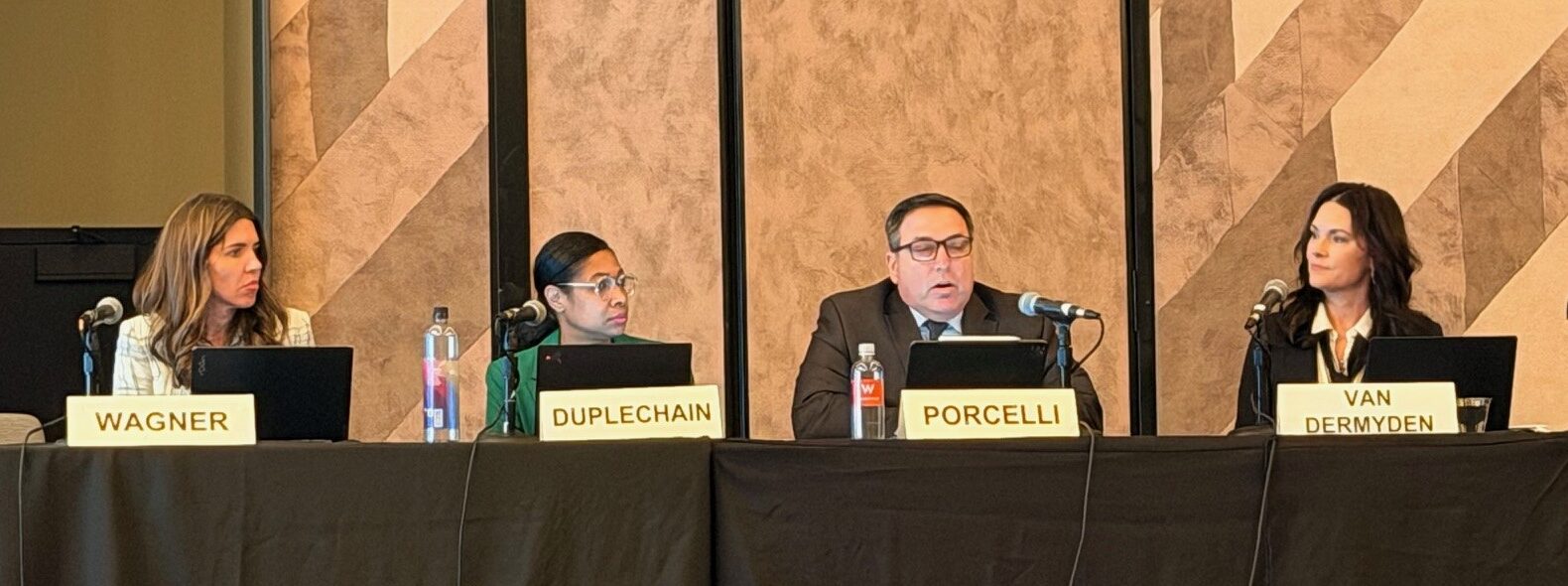
As I mentioned on Monday, I had the opportunity to recently attend the ABA Section of Labor and Employment Law’s ERR conference in Nashville. One program that stood out was a panel titled “AI in Action: Discovery and Motion Practice in Employment Law.”

If you’ve been reading this blog over the years, you know I’ve

If you’ve been following this blog, you know I’ve been writing about the intersection of generative AI and employment litigation for a while now. I’ve talked about updating litigation hold policies to account for GenAI data, and I’ve urged employers to start requesting plaintiffs’ AI conversation histories in discovery.

Well, a ruling this past

Yesterday, I talked about the obligations that employers have to preserve data. But let’s switch gears; in an employment discrimination claim brought against a company, an employee’s AI usage is fair game for discovery.

And by not asking for it in litigation, you just might be missing out.

ChatGPT alone has over 700 million weekly

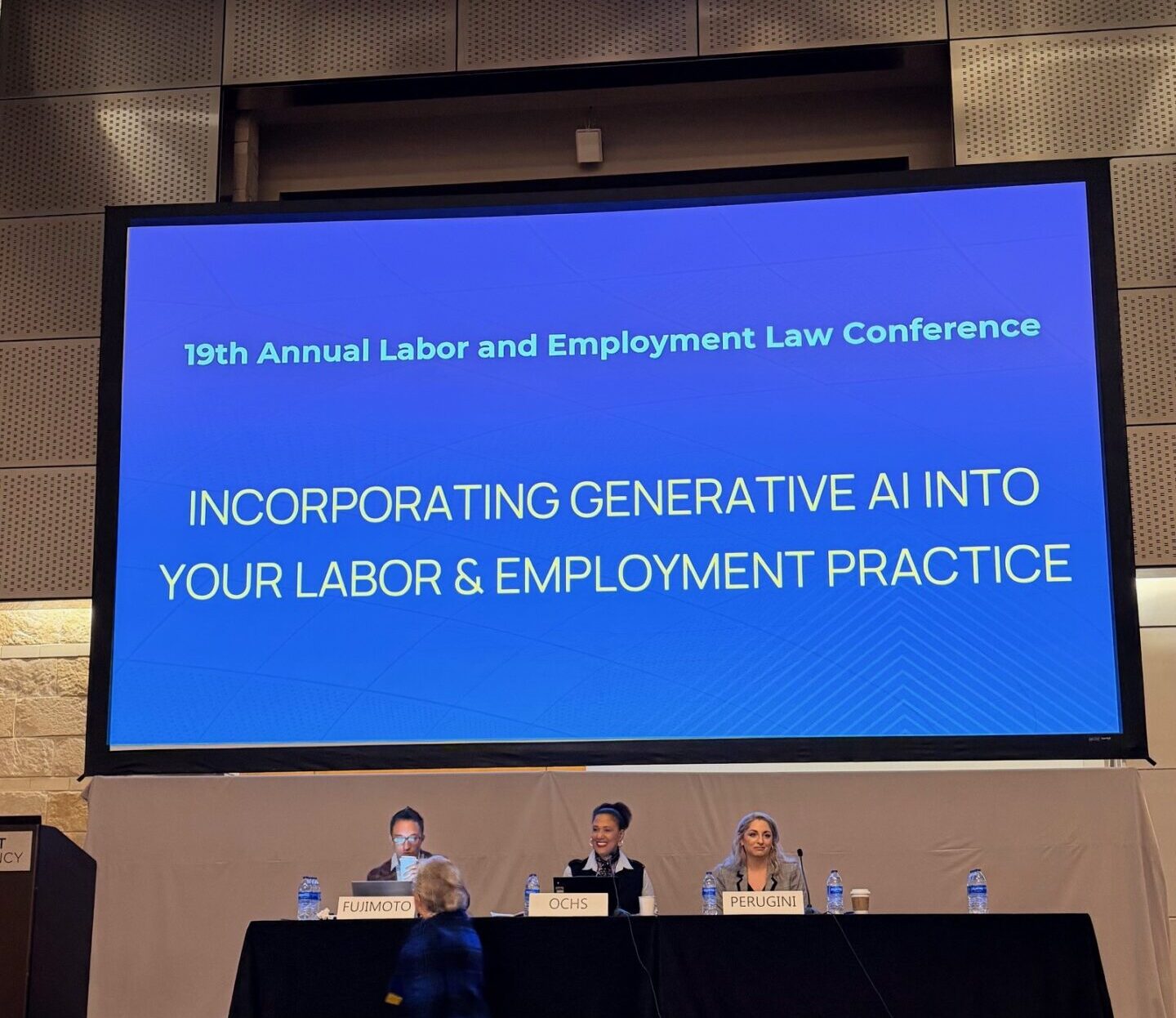
I recently got back from the American Bar Association Annual Labor & Employment Law Conference — an event I’ve talked about before on this blog.

There were a number of great CLE programs — far too many to list. Not surprisingly, Generative AI remained a hot topic and the sessions caused me to continue to

A new trend is appearing in HR offices and legal departments across the country: Employee complaints and legal documents that seem professionally written but show clear signs of being created with generative AI.

I’m not referring to employees getting legal advice from ChatGPT (which, as of this week, ChatGPT itself says it shouldn’t be used

The Connecticut Bar Association’s Annual Advanced Labor & Employment Symposium is right around the corner. Scheduled for March 27, 2025 at the Grassy Hill Country Club in Orange, Connecticut, this year’s program promises to tackle some of the cutting edge issues that practitioners face.

I’ll be a featured speaker at one of the day’s programs