With a college graduate in the family, I’m hearing first hand of the trials and tribulations of the current job market.

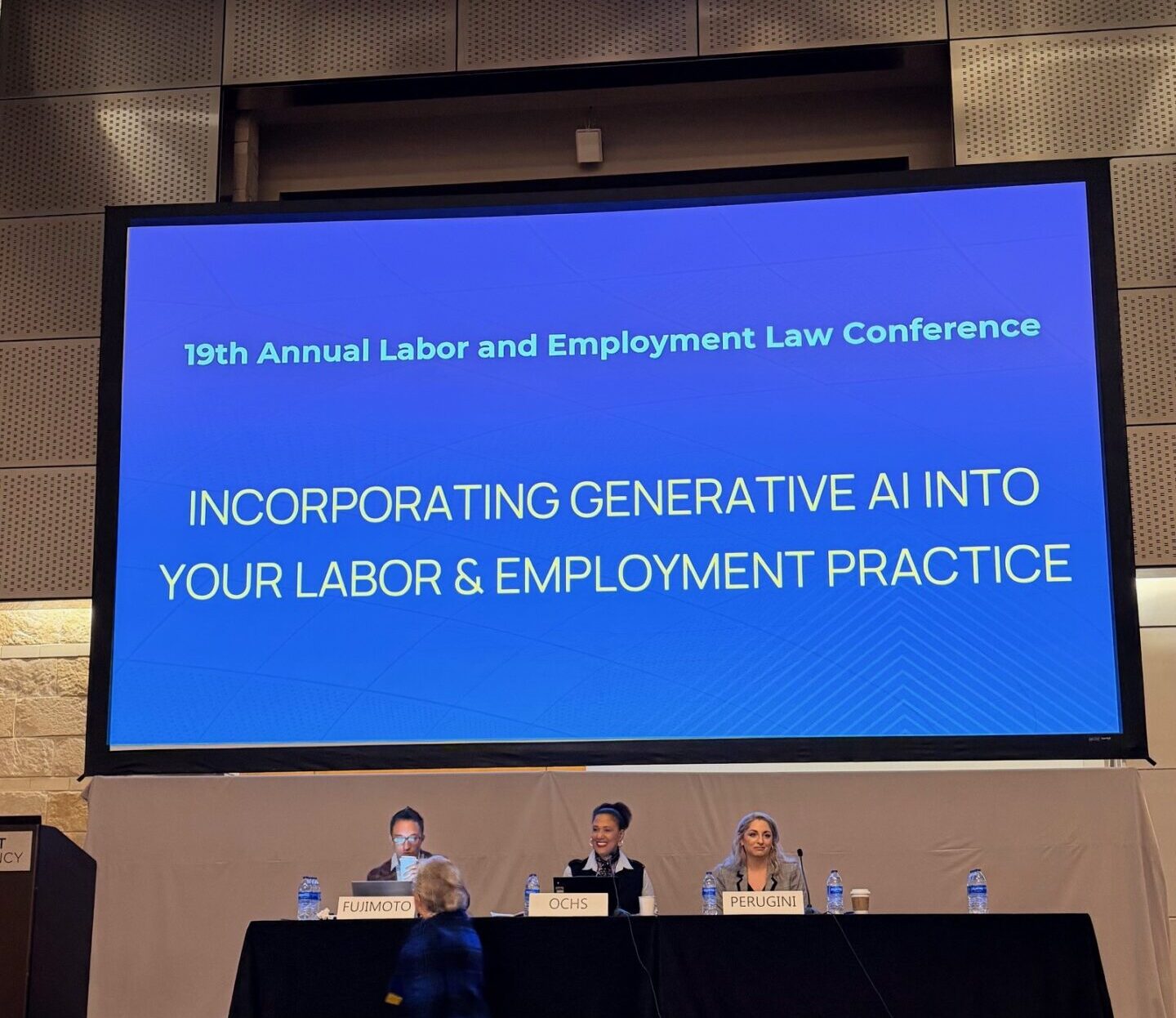
One of the items that I hear and read about, is the rising use of AI tools for screening and hiring.

There’s a big hole right now in regulation of this practice, with just

A new case officially released today by the Connecticut Appellate Court Begley v. State, won’t revolutionize employment law, but it’s a useful reminder of how retaliation claims can fall apart when the factual foundation crumbles. For employers facing retaliation allegations, this case illustrates exactly what plaintiffs need to prove — and what happens when

I picked up a pickleball paddle six months ago, and like everyone else, I’m completely hooked.

The rules of pickleball seemed simple enough—don’t hit the ball in the kitchen (or “no volley zone”), let it bounce twice, and, yes, try not to embarrass yourself.

But after several humbling defeats (and a pretty nasty calf

While I was attending the ABA Board of Governors meeting last week, the Supreme Court issued a decision in Ames v. Ohio Department of Youth Services that received outsized coverage given it’s relative minor impact to employers in the Constitution State.

So what did the Court hold? In a unanimous ruling, the Supreme Court struck

Employment law attorneys and HR professionals (and the businesses we help to support) often focus on workplace policies, harassment prevention, and wage compliance. But with Law Day upon us on May 1st, sometimes it’s worth stepping back to examine the broader legal principles — principles that ultimately affect the environment in which all businesses operate.

As a Gen Xer who grew up reading The Crucible in high school, I’ll admit I didn’t question much about John Proctor back then. We were taught to see him as flawed but noble—a martyr, even.

But watching Kimberly Belflower’s new play John Proctor Is the Villain this past weekend on Broadway — is

Do you live in a bubble?

That question has taken on new meaning in today’s environment, but it’s something I think about often when it comes to the practice of law. After all, our firm mainly represents employers or business owners or entrepreneurs when it comes to employment law matters.

If there’s a claim against

The rules on accommodations just changed for employers — at least in Connecticut and New York (and Vermont too).

The Second Circuit (which covers Connecticut, New York and Vermont), in an important decision released last week, expanded the situations in which an employee can get an accommodation holding that such accommodations may be required even

Yesterday, the Fourth Circuit granted the federal government’s motion to stay (temporarily suspend) a lower court’s preliminary injunction that had blocked the enforcement of two Executive Orders issued by President Trump in January 2025. I wrote about that injunction in a prior post on our firm’s sister blog. These Executive Orders direct federal agencies

Five years ago this week, on March 8, 2020, I wrote a fairly straightforward blog post on an FAQ for employers in Connecticut about COVID-19. I had been writing about it since January (and I’ll take credit for one of the first law blog posts about it too) but suddenly things seemed to