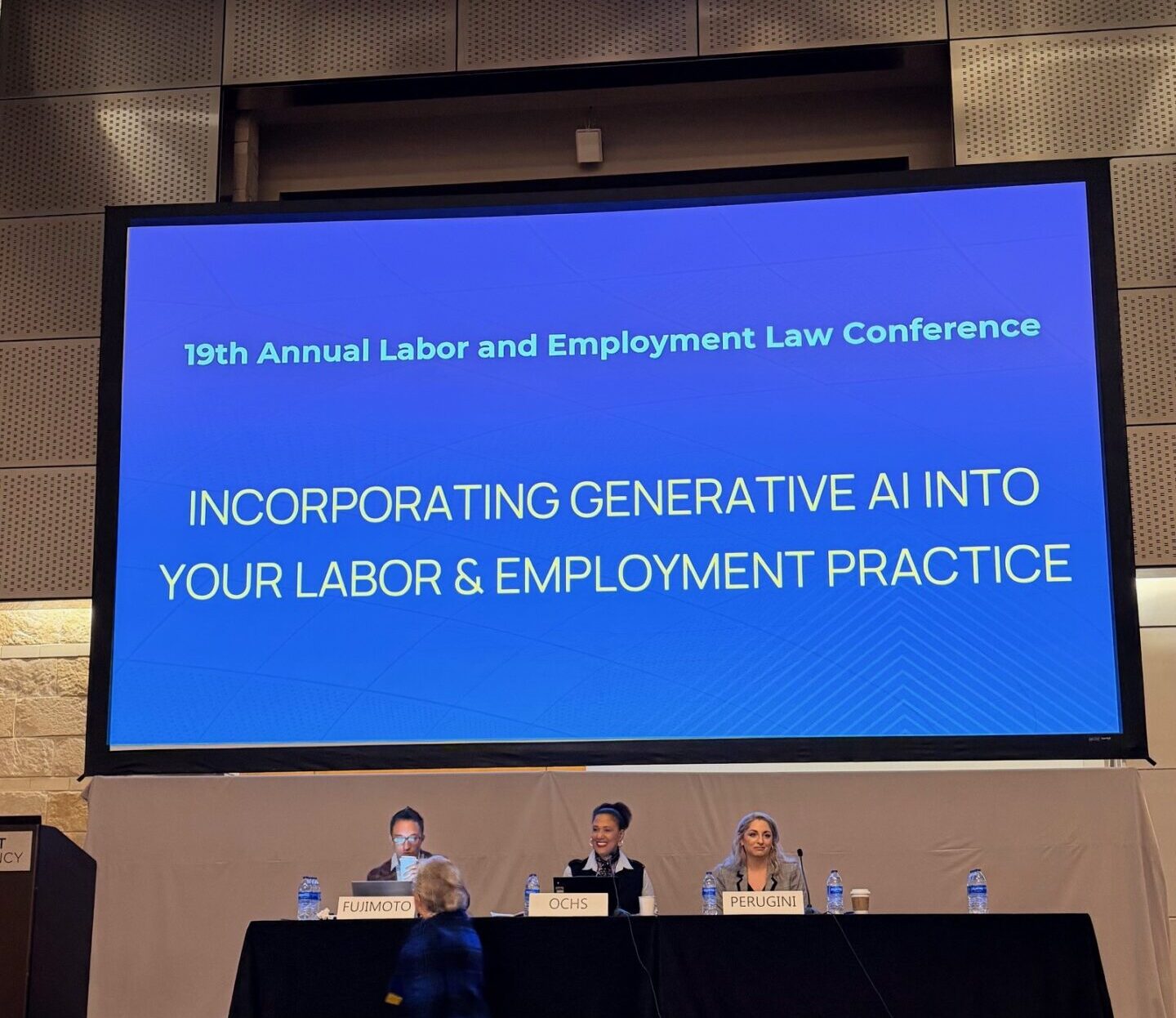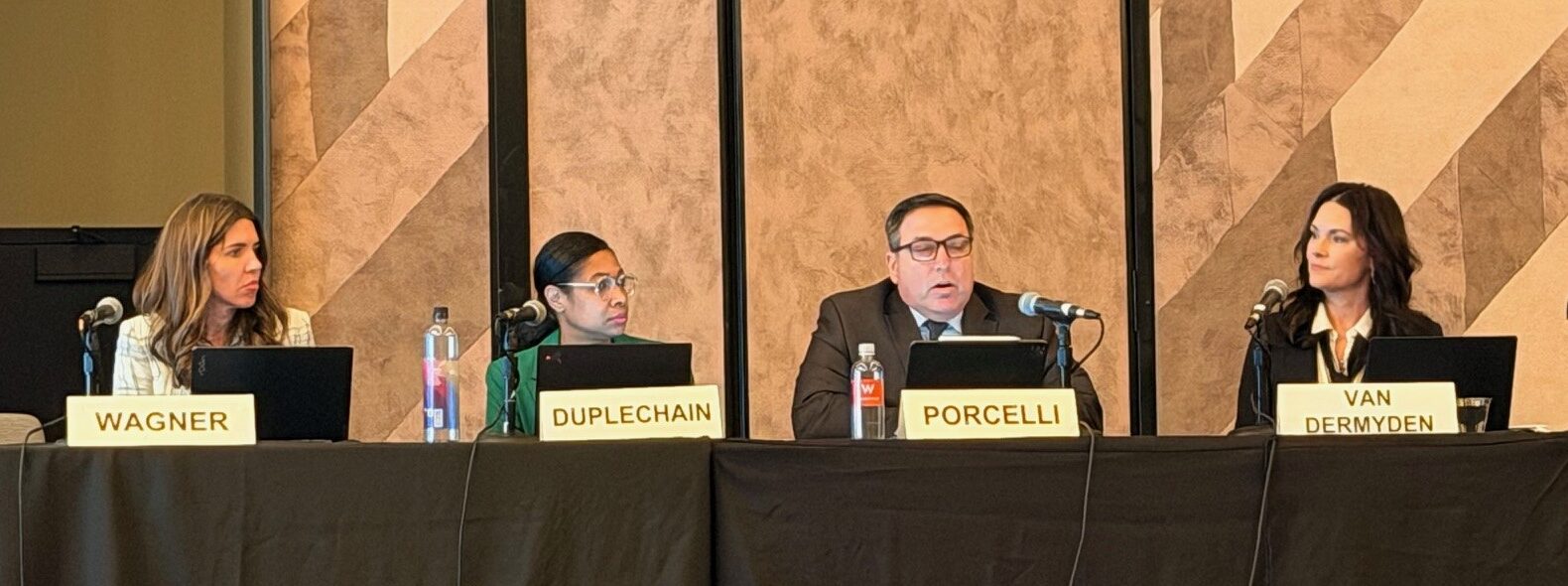
As I mentioned on Monday, I had the opportunity to recently attend the ABA Section of Labor and Employment Law’s ERR conference in Nashville. One program that stood out was a panel titled “AI in Action: Discovery and Motion Practice in Employment Law.”

If you’ve been reading this blog over the years, you know I’ve
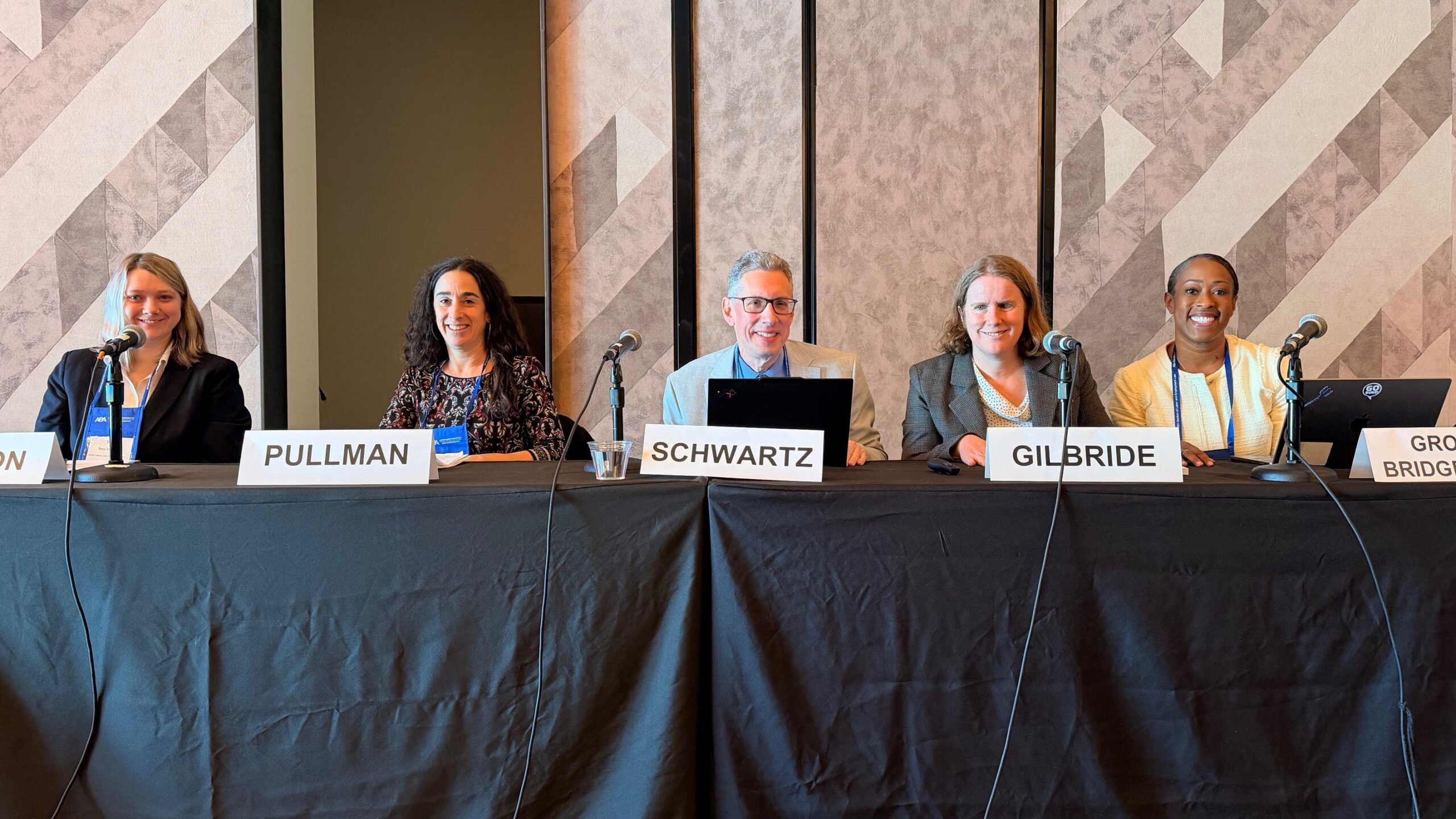
Last week, I had the privilege of speaking at the ABA Section of Labor and Employment Law’ Employment Rights and Responsibilities Midwinter Meeting on a topic that has been a recurring theme on this blog for nearly two decades: “Bostock, Executive Orders, and the Evolving Framework for Gender Identity Discrimination.”

Our panel featured an outstanding

A recent Connecticut Appellate Court decision should raise the eyebrows for every employer in the food service and hospitality industry. The case, Gentile-Riaz v. Samo Thraki, LLC, officially released last month, allowed a retaliatory discharge claim to proceed when an employee complained to a municipal health district about unsanitary conditions at her workplace. While

A few weeks ago, I came across a new class action lawsuit filed against a national delivery service. The case involves a simple issue: the company allegedly failed to pay an employee their final wages promptly after termination.

Allegations in the Lawsuit

The complaint states that the employer paid the employee by direct deposit three

The Second Circuit Court of Appeals recently clarified the transportation worker exemption under § 1 of the Federal Arbitration Act (FAA). The court addressed whether contracts signed by individual delivery drivers, even when they work through their own corporations, count as “contracts of employment” that are exempt from mandatory arbitration. In this instance, the court

Yesterday, I talked about the obligations that employers have to preserve data. But let’s switch gears; in an employment discrimination claim brought against a company, an employee’s AI usage is fair game for discovery.

And by not asking for it in litigation, you just might be missing out.

ChatGPT alone has over 700 million weekly

I recently got back from the American Bar Association Annual Labor & Employment Law Conference — an event I’ve talked about before on this blog.

There were a number of great CLE programs — far too many to list. Not surprisingly, Generative AI remained a hot topic and the sessions caused me to continue to

A new trend is appearing in HR offices and legal departments across the country: Employee complaints and legal documents that seem professionally written but show clear signs of being created with generative AI.

I’m not referring to employees getting legal advice from ChatGPT (which, as of this week, ChatGPT itself says it shouldn’t be used

A new decision from the state Appellate Court, Paniccia v. Success Village Apartments, Inc., delivers some clarity for employers facing wage claims under Connecticut General Statutes § 31-72. The bottom line? When employees win wage cases, the “costs” they can recover are limited to statutory taxable costs—not every litigation expense they incurred.

The Background:

Last week, I talked about how smart arbitration drafting allowed the company to recover its attorneys fees in successfully defending a claim by a former CEO. But there’s another lesson from Golden v. WorldQuant that company should know: how four simple words in a termination letter can save employers from a legal trap.

The Post-Termination