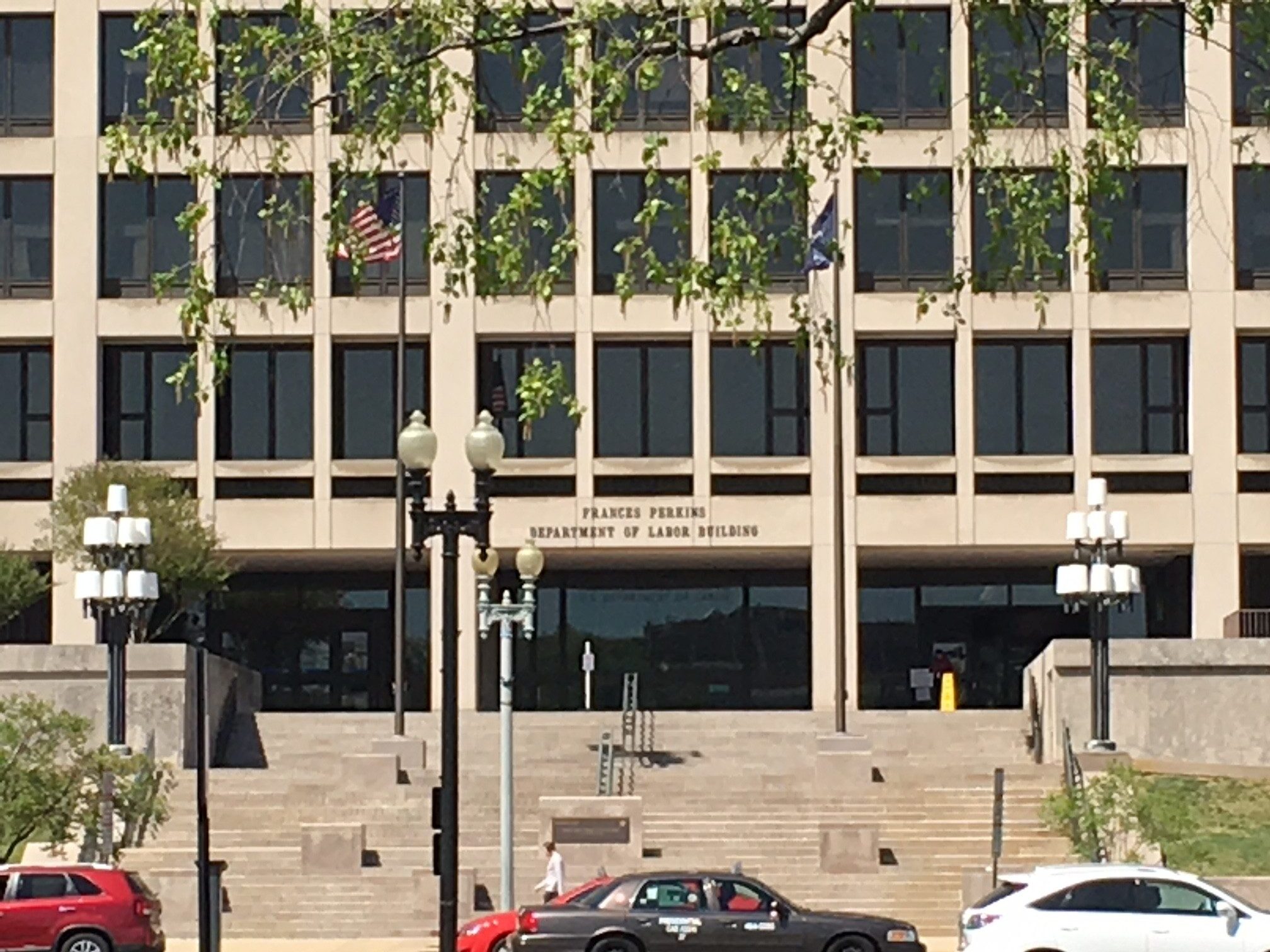
The flood of information being produced by the government on the pandemic continues.

Last night, the U.S. Department of Labor published a second round of guidance that is designed to help employers manage Paid Sick Leave and paid FMLA leave (EPSL and FMLA+).  (H/T FMLA Insights for the summary.)

This is different than the

As I was saying about some days… Wednesday merits TWO posts.

To paraphrase a popular quote: There are years when nothing happens and there are days (and weeks) when years happen.

The nonstop barrage of news, orders, and other materials continues making updating a blog on the subject feel hopelessly out of date the moment you click “Publish”.

So rather than any lofty posts this

The United States Department of Labor today released new regulations that dramatically change the existing rules on when two businesses are “joint employers” under federal wage and hour laws.

I’ve previously discussed the changing rules in some prior posts here and here, so you should catch up there first if this is the first

A hearing is set for Thursday on draft legislation to “fix” a bill that had been earlier vetoed and that I discussed in a post earlier this weekCTNewsJunkie.com was first to report on the details earlier Wednesday.

The bill comes at an interesting crossroads in restaurant wage/hour law. Earlier this week, the U.S.

Update: Governor Lamont vetoed this bill on July 12, 2019.  

Bear with me because this is a story about how a little provision slipped in at the last minute and buried deep in a innocuously-titled bill will have big implications for the restaurant industry in Connecticut.

You might have missed House Bill 5001 (now Public

Three years ago, I floated the idea that perhaps an agency could come up with a modest “amnesty” program that would give employers a chance to get into compliance with FLSA laws, without facing the draconian consequences such an admission might entail.

Now, late yesterday, the United States Department of Labor announced its own pilot

Late yesterday, various press reports signaled what could be the beginning of the end for 2011 Department of Labor guidance that had greatly expanded legal claims against restaurants.

The 2011 rule barred businesses (mainly restaurants) from including nontipped workers in their tip pools.  That practice – if done involuntarily – then entitles the servers or

file0001835967537The Connecticut Supreme Court, in a unanimous decision that will be officially released April 4, 2017, has ruled that employers may not use the “tip credit” for pizza delivery drivers and therefore, the employees must be paid the standard minimum wage.

You can download the decision in Amaral Brothers, Inc. v. Department of Labor here.