Ten years ago, I discussed how smartphones made recording conversations easier for employees.

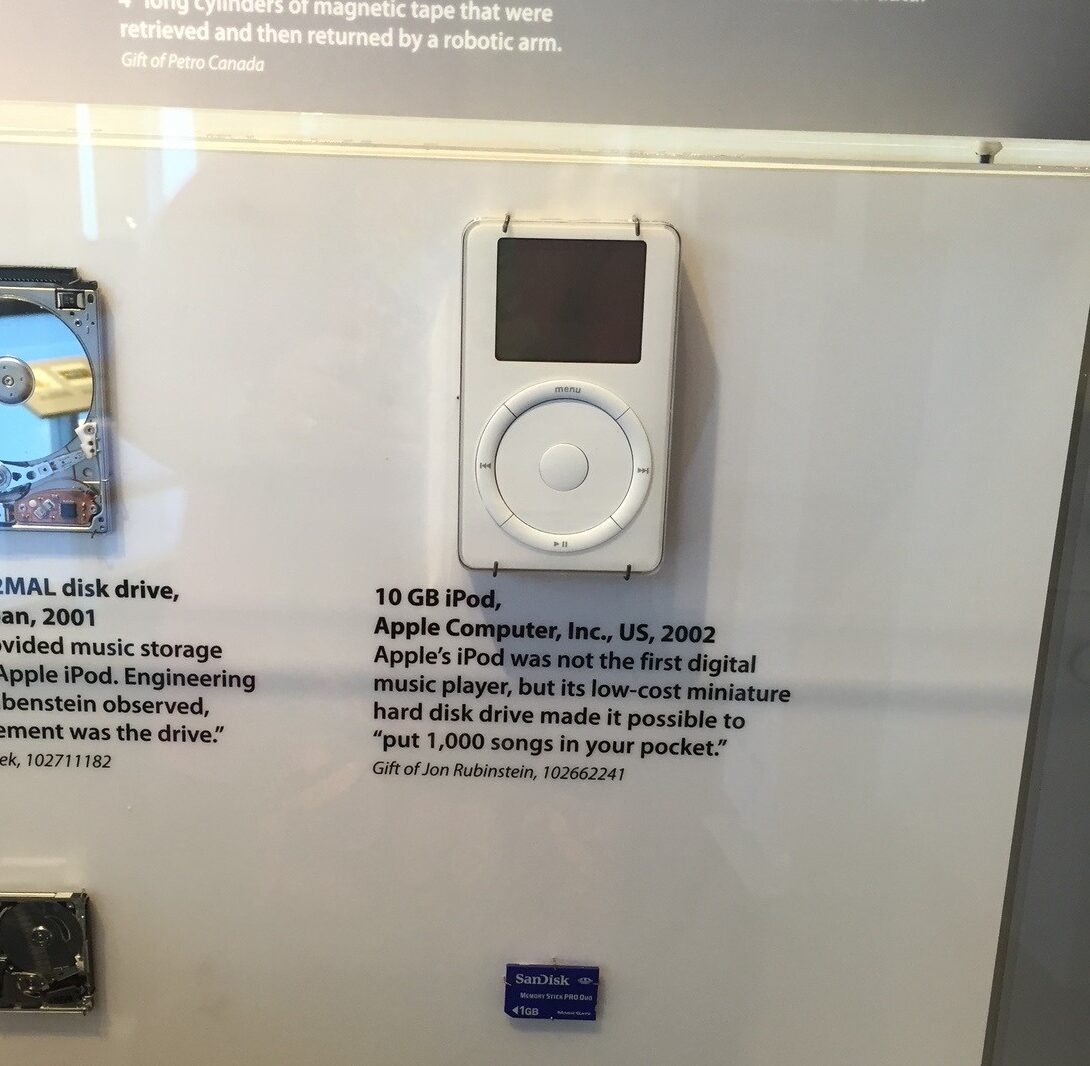
That post seems quaint compared to today’s technology—like that iPod I saw in a museum (and pictured here).

Now employers need to worry about devices like Plaud—sleek call recorders and AI note-takers—and Ray‑Ban Meta glasses, which record audio and video

As I continue my examination of some of the programs arising from the ABA Labor & Employment Conference held earlier this month in Seattle, one of the more notable topics was addressing wage & hour laws with employees now working across the country.

The great reshuffle has had a significant impact in the workplace since

Last Friday, I had the opportunity to talk about Artificial Intelligence in the Workplace at the CBIA’s HR Conference.  There was a lot to cover in our discussion and a lot of takeaways too.

For those in Human Resources or in-house lawyers reviewing a company’s potential use of AI in the workplace, here are three

The Connecticut Law Tribune’s quarterly supplement on Labor & Employment Law was published this week and as usual, it is chock full of articles of relevance to attorneys and employers. 

Many of the topics have been covered here in the blog, but the additional analysis and discussion on the topics make them useful.  You can

There are limits to “spying” on an employee

A recent story in a Forbes blog disclosed how one company fired 25 employees, after monitoring its employees’ computer activity.  Of course, the CEO learned that secret recordings work both way, as one employee recorded the termination meeting. 

Connecticut employers have

The U.S. Supreme Court issued decisions in two important labor & employment law cases this morning. Because the cases are limited to some labor law issues and public employers, the impact on private employers may not be immediately felt. But the decisions are notable nonetheless.

First, the court issued a 5-4 decision in New Process

The Connecticut Supreme Court, in a decision that will be officially released on January 5, 2010, has held that employees cannot bring a private right of action against employers that violate the state’s electronic monitoring statute. 

In Gerardi v. City of Bridgeport, two city fire inspectors were disciplined for improper job performance through the